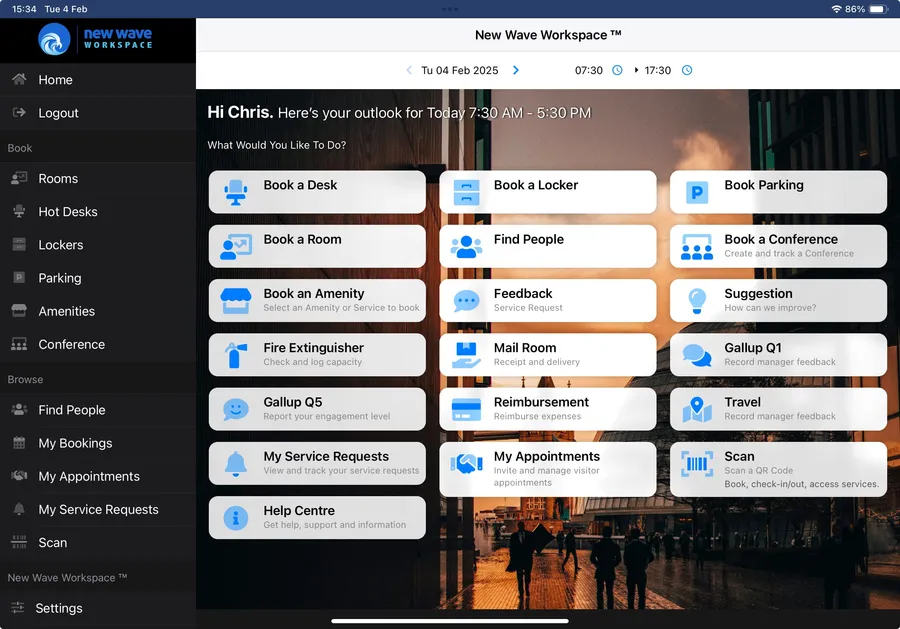
Return to Office: From Policy to Practice. Introducing the RtO Policy Engine.
The Return to Office debate has moved beyond whether employees should work remotely or from the office. The real challenge is translating corporate attendance policies into consistent employee behaviour, while making the office a productive, collaborative and worthwhile destination.
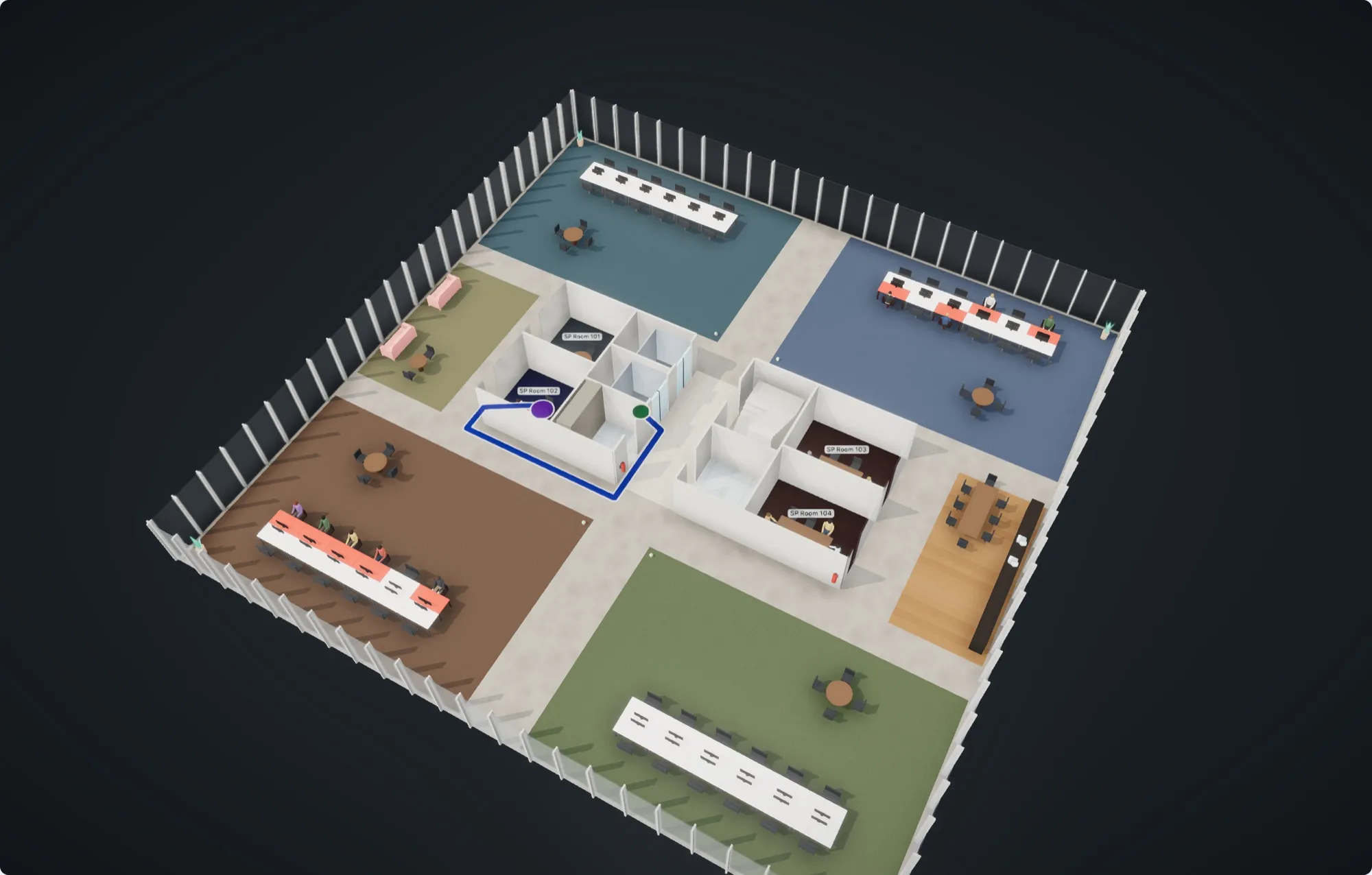
A successful Return to Office strategy requires more than asking employees to come back. It requires clear expectations, transparent policies and the tools to make them work.
The Return to Office (RtO) debate has moved beyond whether employees should work remotely or from the office. Organisations now face a more practical challenge: how to translate corporate attendance policies into consistent employee behaviour while making the office a productive, collaborative and worthwhile destination.
- For HR leaders, this means communicating expectations and monitoring compliance.
- For Facilities Managers, it means ensuring the right spaces are available when people need them.
- For employees, it means understanding when they are expected in the office, where they can work and how to plan their week.
Traditional desk and room booking systems help employees reserve spaces, but they rarely address the bigger question: are employees actually complying with the company’s workplace policy?
Introducing the New Wave RtO Policy Engine
New Wave Workspace takes workplace management a step further by connecting corporate RtO policies with employee booking entitlements, attendance behaviour and workplace utilisation.
The RtO Policy Engine combines three capabilities:
1. Policy Management
Define how often employees should attend the office, which days they should come in, and which desks, rooms or workplace zones they can access. Configure booking quotas by employee, team, department or other organisational groups.
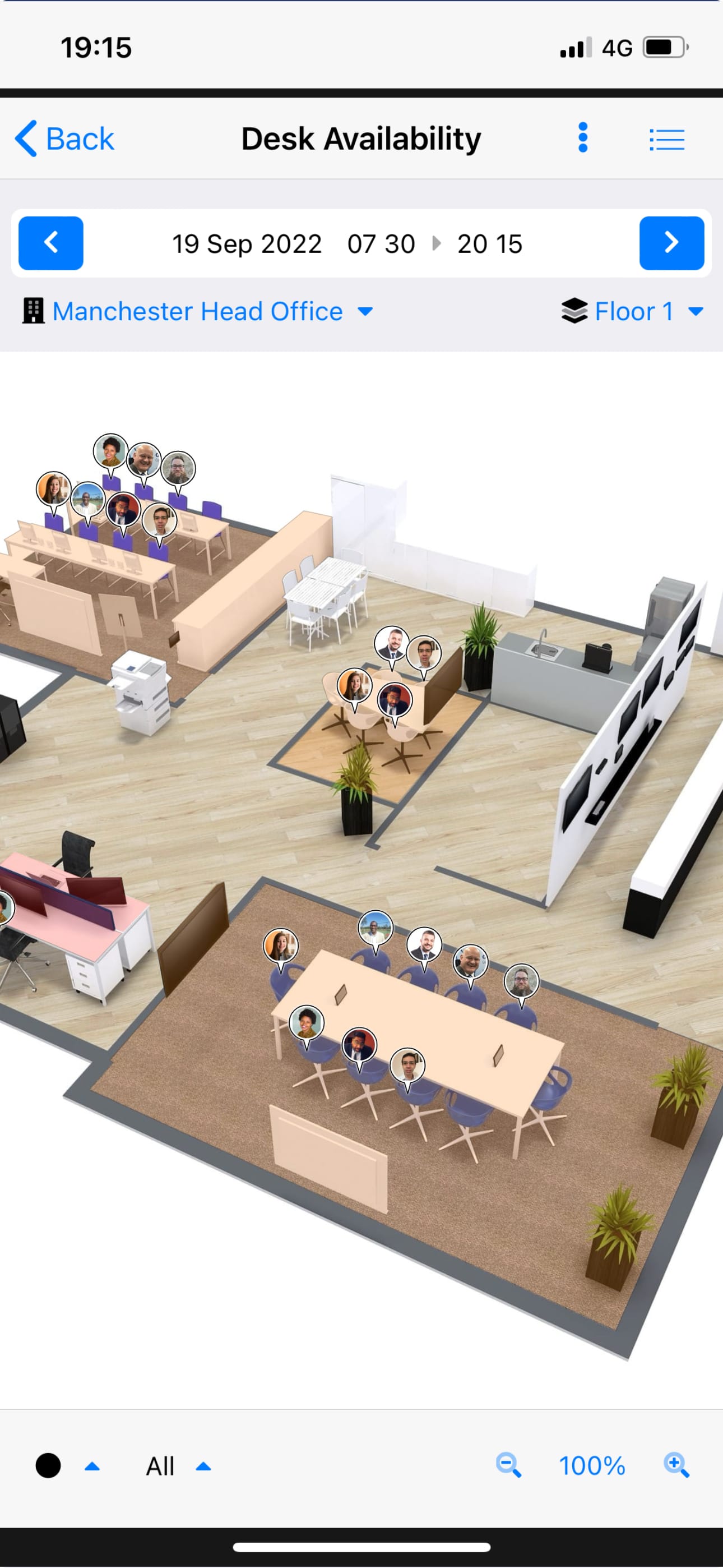
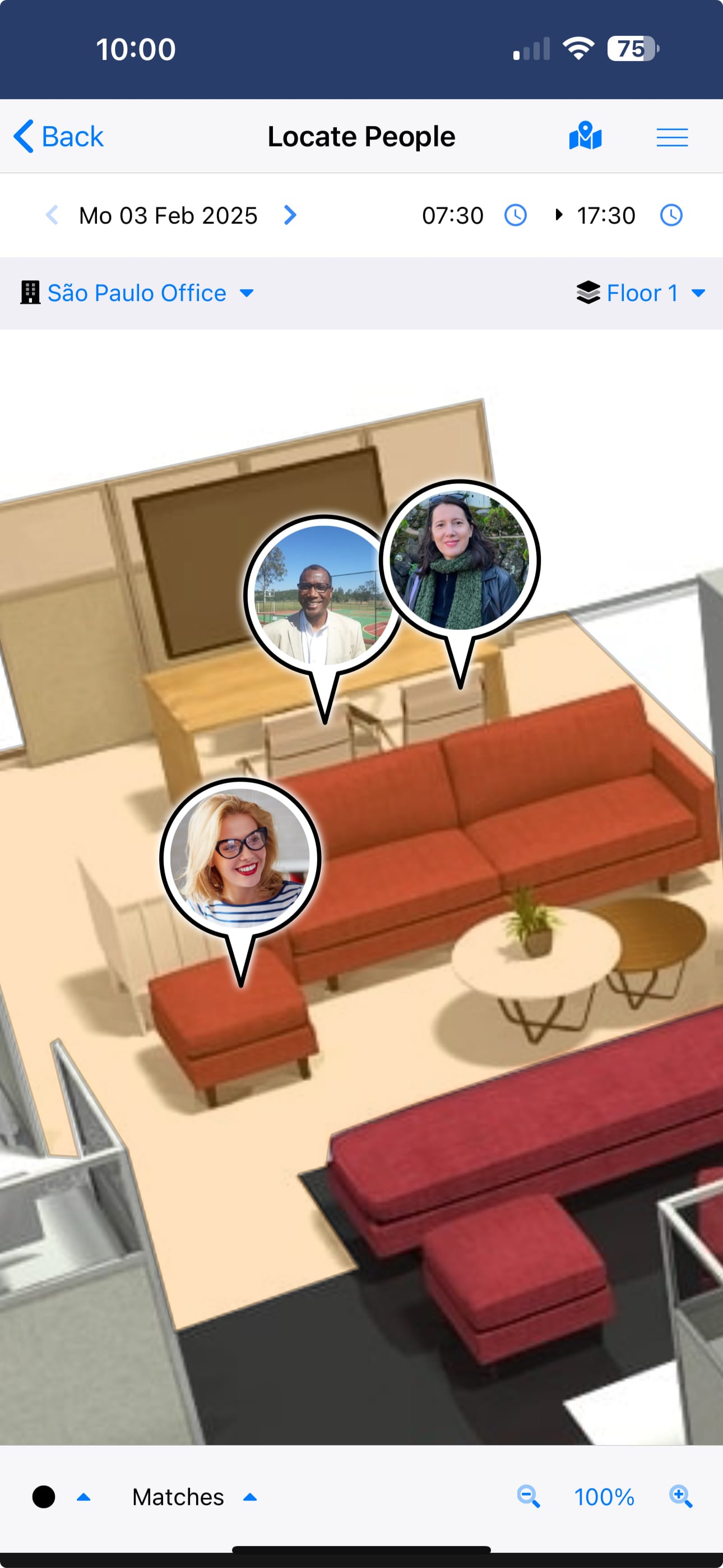
Employees see the desks and zones they are entitled to book, and where their team is sitting on mandatory team days.
2. Behaviour Management
Discourage unused reservations through an integrated Strike System. When employees repeatedly book spaces but fail to show up, configurable rules can trigger warnings and progressively restrict future booking privileges.

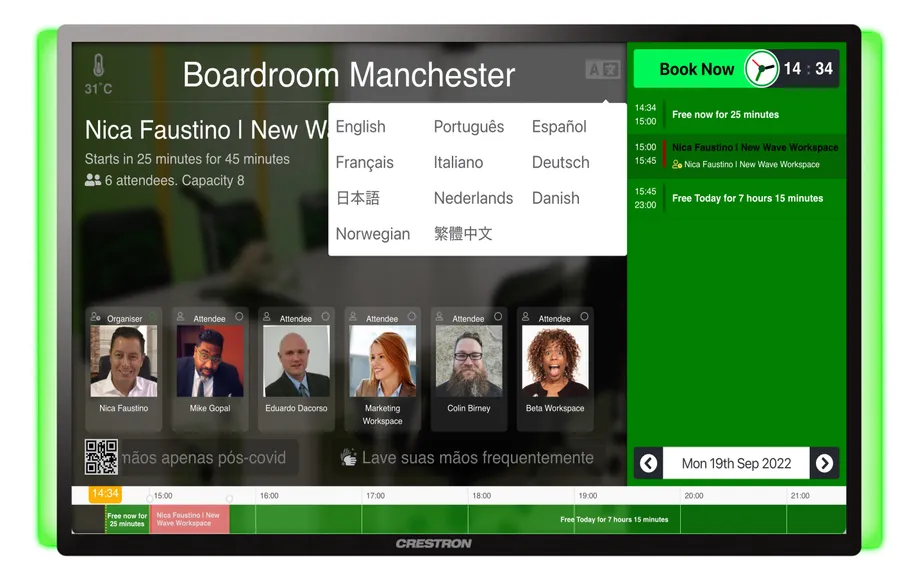
Desk and room panels make it easy to confirm attendance, so genuine no-shows can be distinguished from people who simply forgot to check in.
3. Compliance Intelligence
Give HR and Facilities teams visibility into booking behaviour, attendance patterns, quota compliance and workplace utilisation. Use real operational insights to review and improve RtO policies.
From Corporate Expectations to Everyday Accountability
Consider an organisation introducing a three-day-per-week office attendance policy.
With New Wave, administrators can configure weekly booking quotas, establish mandatory team days and determine which spaces employees are entitled to reserve.
Employees can see their booking entitlements and understand their attendance expectations.
If someone repeatedly reserves a desk but fails to attend, the Strike System provides a mechanism for warnings and, where company policy allows, reduced booking privileges.
The result is a more transparent relationship between employer expectations and employee responsibilities.
Importantly, the system can be configured to accommodate approved leave, business travel and other exceptions. A no-show is not automatically equivalent to an attendance-policy violation.
Why This Matters to the Business
| Stakeholder | Business benefit |
|---|---|
| HR | Transparent RtO policies and measurable compliance. |
| Facilities | Better demand management and fewer wasted reservations. |
| Employees | Clear expectations, fair rules and predictable booking privileges. |
| Management | Greater visibility into workplace adoption and utilisation. |
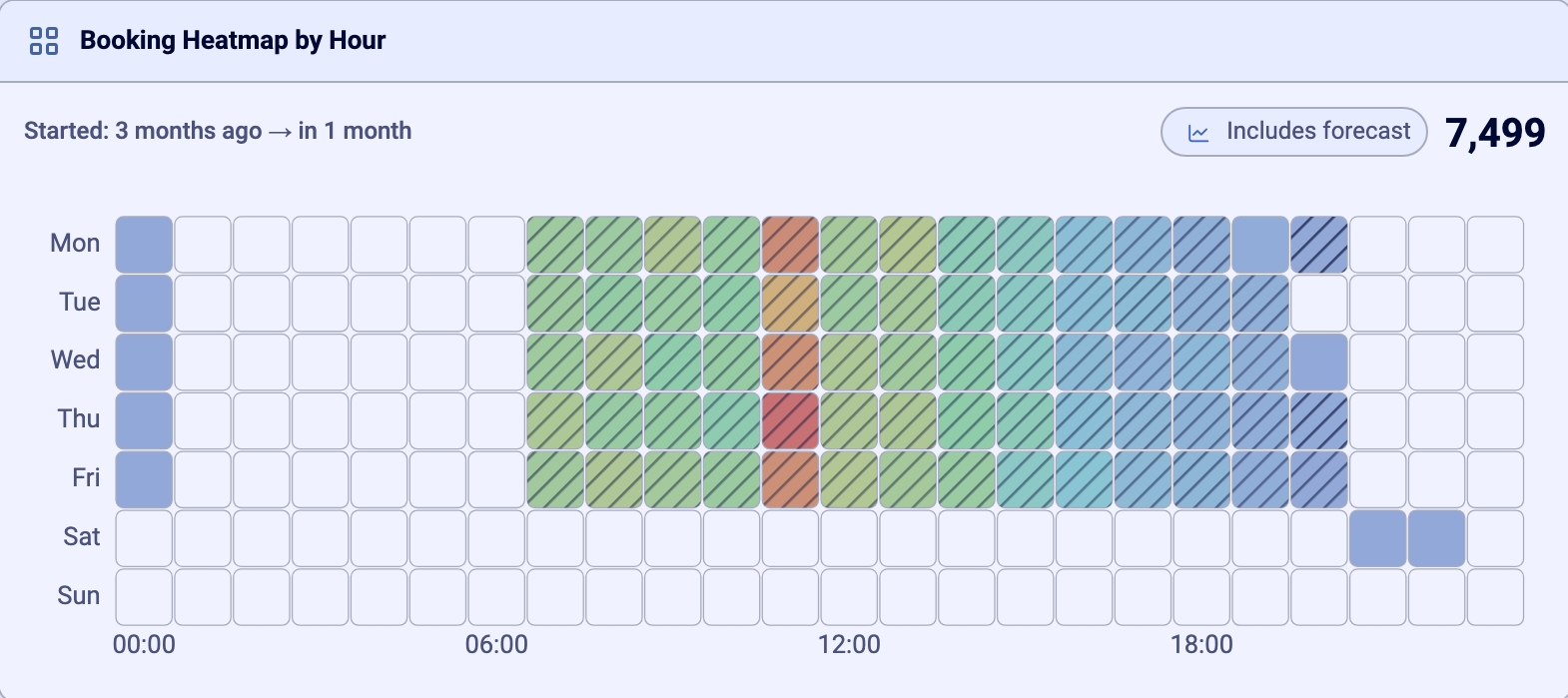
Smart Analytics shows when people actually come in, by day and hour, with forecast demand, so HR and Facilities can test RtO policies against real attendance.
Beyond Attendance: Building a Better Workplace
An effective RtO strategy should not simply measure how many people enter an office.
It should help organisations understand whether their workplaces are supporting collaboration, productivity and employee engagement.
By connecting policy management, booking entitlements, attendance behaviour and utilisation insights, New Wave helps organisations move from reactive workplace administration towards proactive workplace management.
The office becomes easier to plan, easier to manage and more accountable to business objectives.
Don’t Just Manage Desk Bookings. Manage Your Return to Office Strategy.
New Wave Workspace – One App. All-in-One.
Turn your RtO policy into measurable action with configurable booking quotas, intelligent strike management and workplace compliance insights.
Define the policy. Empower employees. Measure compliance. Make every office day count.
Explore New Wave Workspace — discover how New Wave Workspace can help your organisation make RtO work.