Return to Office 2026: Why the Modern Workplace Needs More Than Desk and Room Booking
The return to office is accelerating across the UK, USA, Canada and Brazil. But getting employees back into the office is only half the challenge — organisations must provide the right spaces, resources and experiences while managing attendance, capacity and cost.
The return to office (RTO) is accelerating across the UK, USA, Canada and Brazil. But getting employees back into the office is only half the challenge. Organisations must provide the right spaces, resources and experiences while managing attendance, capacity, operational costs and increasingly diverse workplace policies.
Employees want flexibility, convenience and the ability to organise their working day without unnecessary friction. Facilities Managers need control, visibility and efficient resource allocation. Workplace consultants need reliable utilisation data to develop effective workplace strategies. Architects need to design adaptable spaces that accommodate changing patterns of work.
The common requirement is a workplace that is flexible by design, easy to use and intelligent enough to evolve.
Four Perspectives. One Workplace Challenge.
| Stakeholder | What they need from RTO |
|---|---|
| Employees | Easy booking, team proximity, available desks, rooms, lockers and parking. |
| Facilities Managers | Centralised control, self-service, policy enforcement, capacity management and utilisation insights. |
| Workplace consultants | Reliable occupancy data, demand forecasting and evidence-based space allocation. |
| Architects | Adaptable floorplans, multifunctional spaces and technology that supports changing workplace needs. |
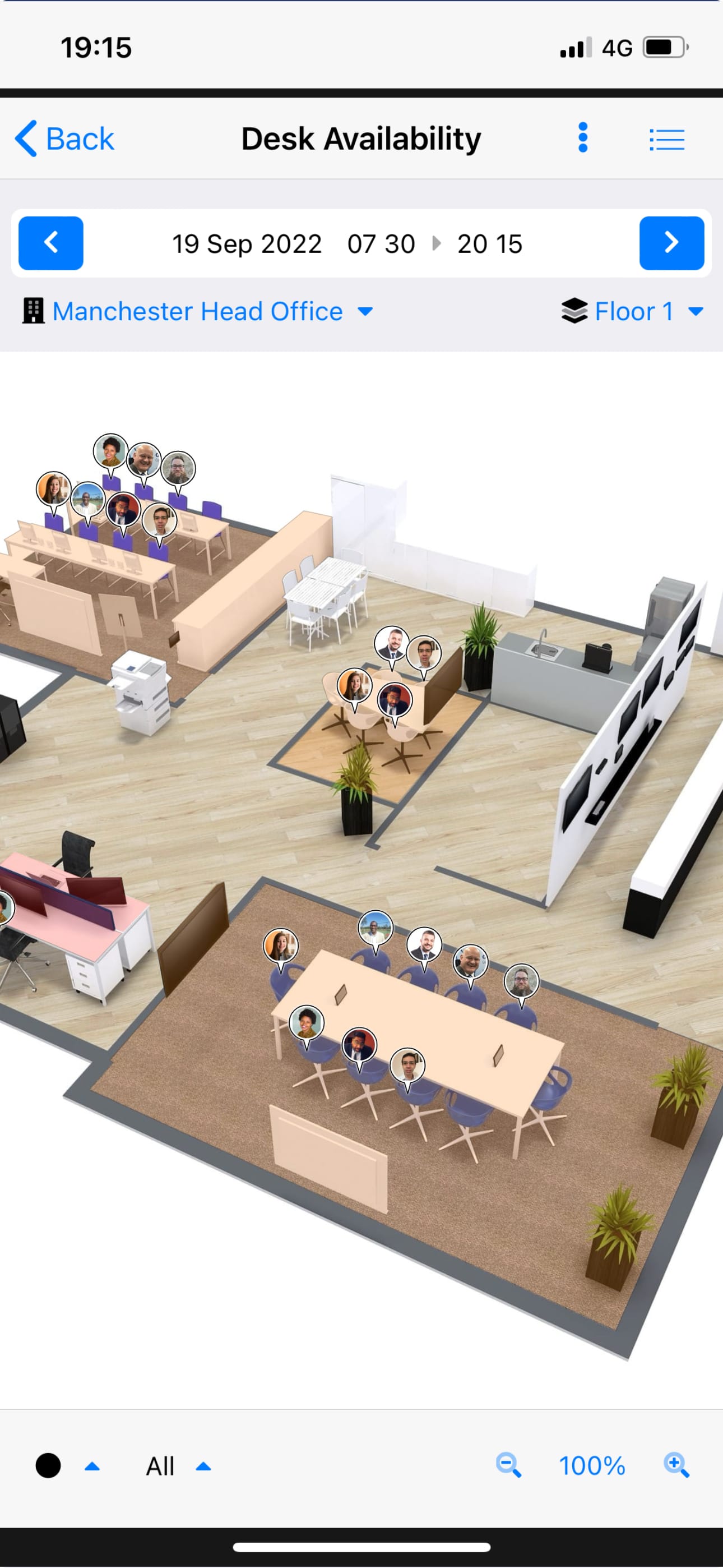
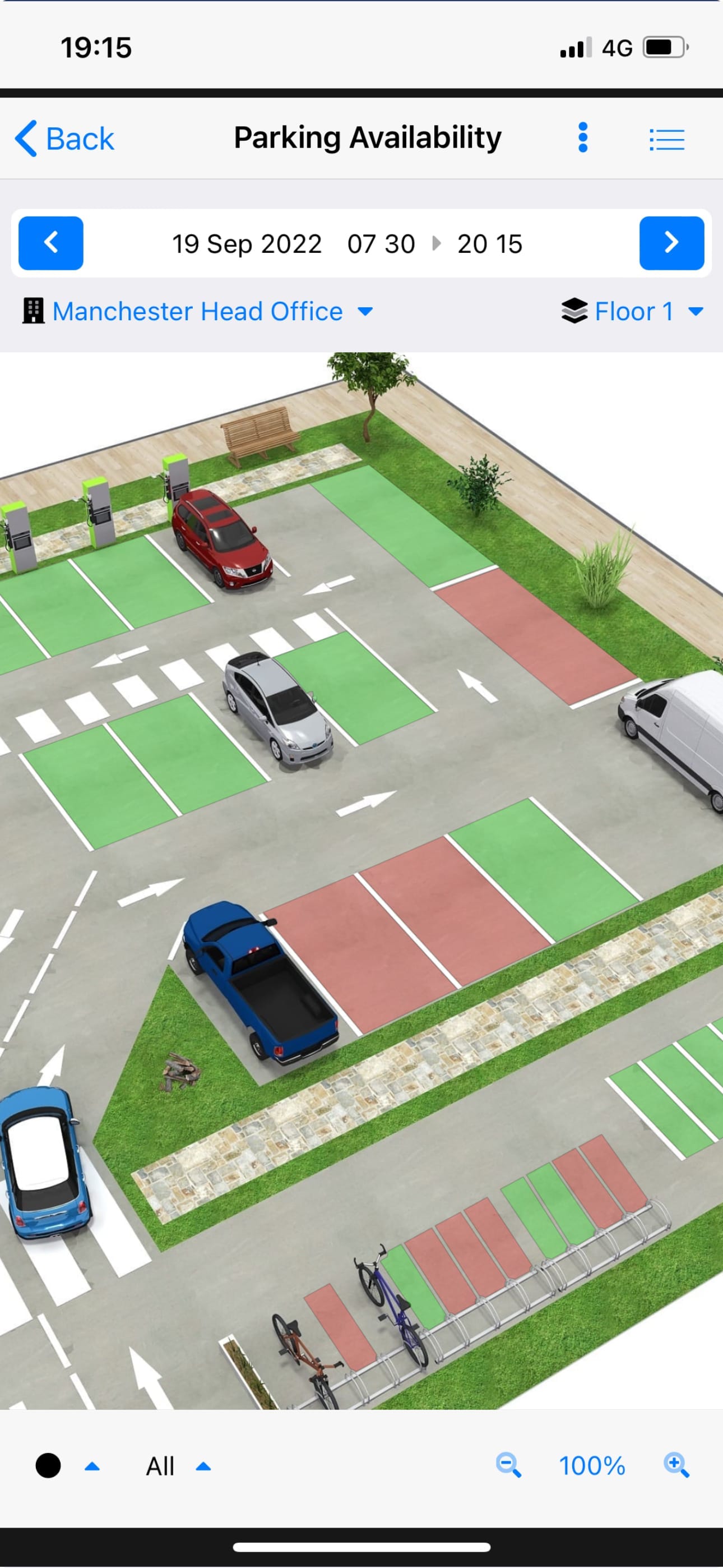
Employees can see where their team is sitting and book desks and parking from interactive floorplans in the One App.
Why Traditional Booking Systems Are No Longer Enough
Many workplace platforms were originally designed around a relatively simple requirement: booking a meeting room or reserving a desk.
Today’s enterprise workplace is considerably more complex.
- Desk booking alone cannot manage team attendance, changing allocation policies, lockers, parking or the wider employee experience.
- Room booking alone cannot coordinate centralised executive support, VIP requirements, confidential meetings, visitor needs and wider workplace resources.
- Disconnected applications create unnecessary complexity for employees and fragmented data for Facilities teams.
- Basic reporting tells organisations what happened, but provides limited insight into future demand, space efficiency and changing attendance patterns.
For banking, financial services and legal organisations, where security, confidentiality, executive support and operational control are particularly important, these limitations become even more significant.
The answer isn’t another booking application. It’s a connected workplace management platform.

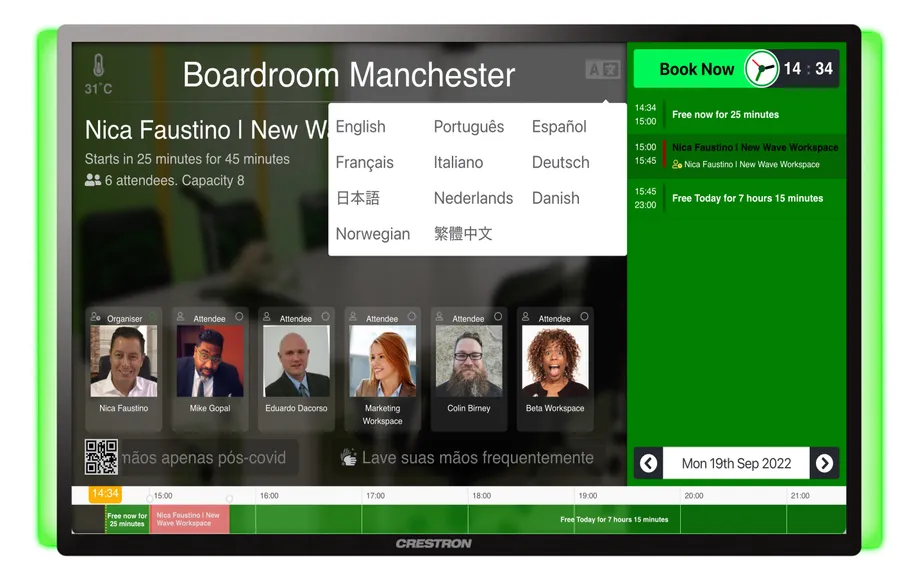
Centralised booking management gives Facilities and executive support teams a single view of rooms across every office and time zone.
RTO Is a Global Trend, With Different Market Pressures
A snapshot of recent research illustrates how workplace expectations are evolving:
| Market | Key indicator |
|---|---|
| 🇬🇧 UK | 53% of employees feel pressure to spend more time in the workplace. (CIPD) |
| 🇺🇸 USA | Financial services and legal offices in Manhattan averaged 62% of pre-pandemic attendance levels in March 2025. (Partnership for New York City) |
| 🇨🇦 Canada | 78.8% of workers worked exclusively outside their homes in May 2026; hybrid working remained around 10%. (Statistics Canada) |
| 🇧🇷 Brazil | 68% of surveyed workers were predominantly office-based in McKinsey’s October 2024 research, double the previous sample’s 34%. (McKinsey) |
Different surveys and populations; figures are directional indicators, not direct country comparisons.
The message is consistent: organisations need to manage attendance more intelligently, not simply provide more desks.
New Wave Workspace: Beyond Booking, Towards Intelligent Workplace Management
New Wave Workspace was designed around this more demanding workplace environment.
Rather than offering another standalone room or desk booking tool, New Wave brings together:

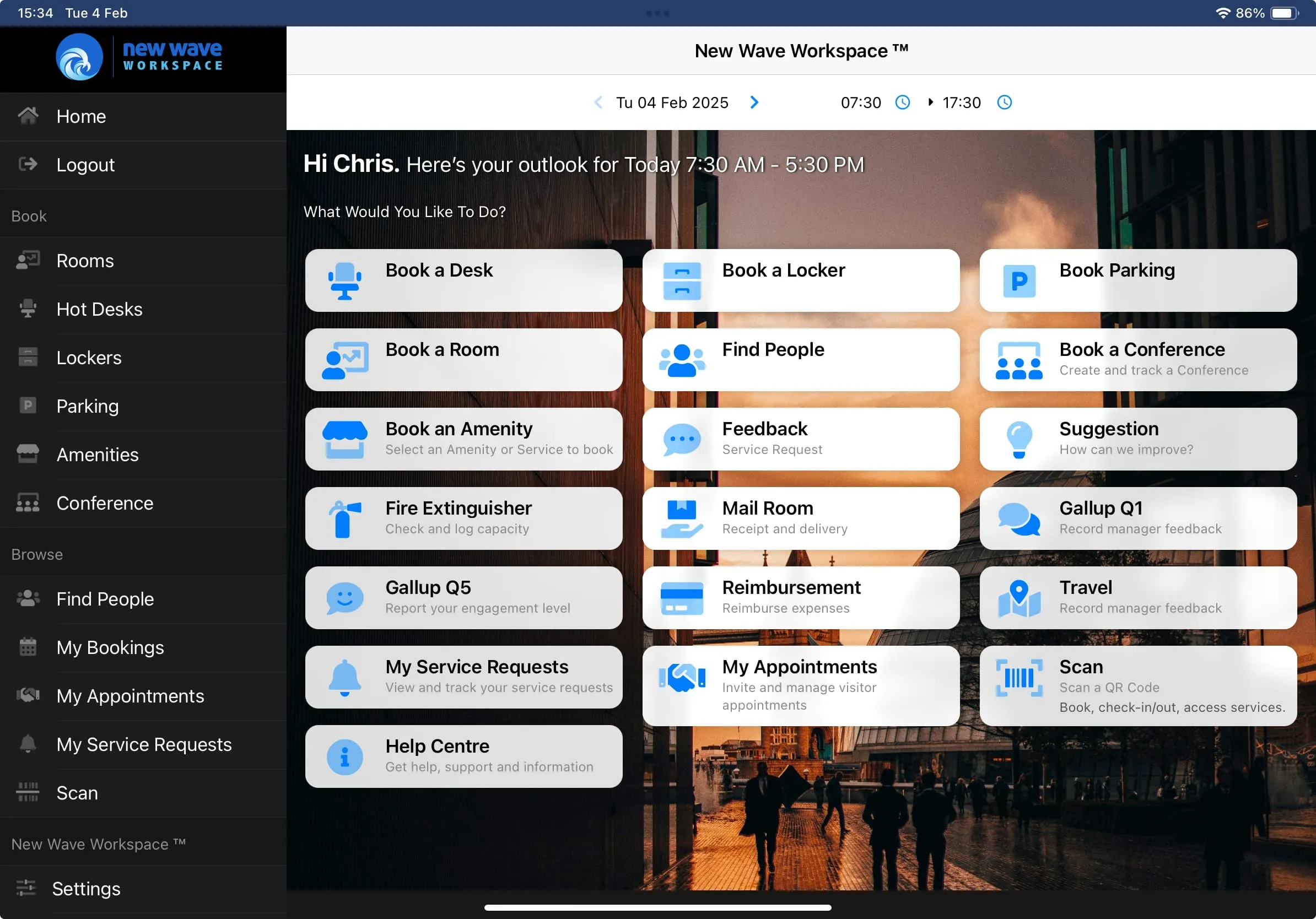
One App: desks, rooms, lockers, parking and workplace services on mobile, web and Crestron room panels.
- Room booking — centralised management and employee self-service.
- Desk booking — flexible allocation, team-based planning and workplace policies.
- Smart lockers — configurable locker allocation and management.
- Parking — integrated parking reservations.
- One App — a unified employee experience across mobile and web.
- Smart Analytics — connected workplace, human and IoT data for better utilisation insights and predictive intelligence.
With integrations including Microsoft 365, Outlook, Teams, Entra ID and Power BI, New Wave connects workplace operations with the wider enterprise technology ecosystem.
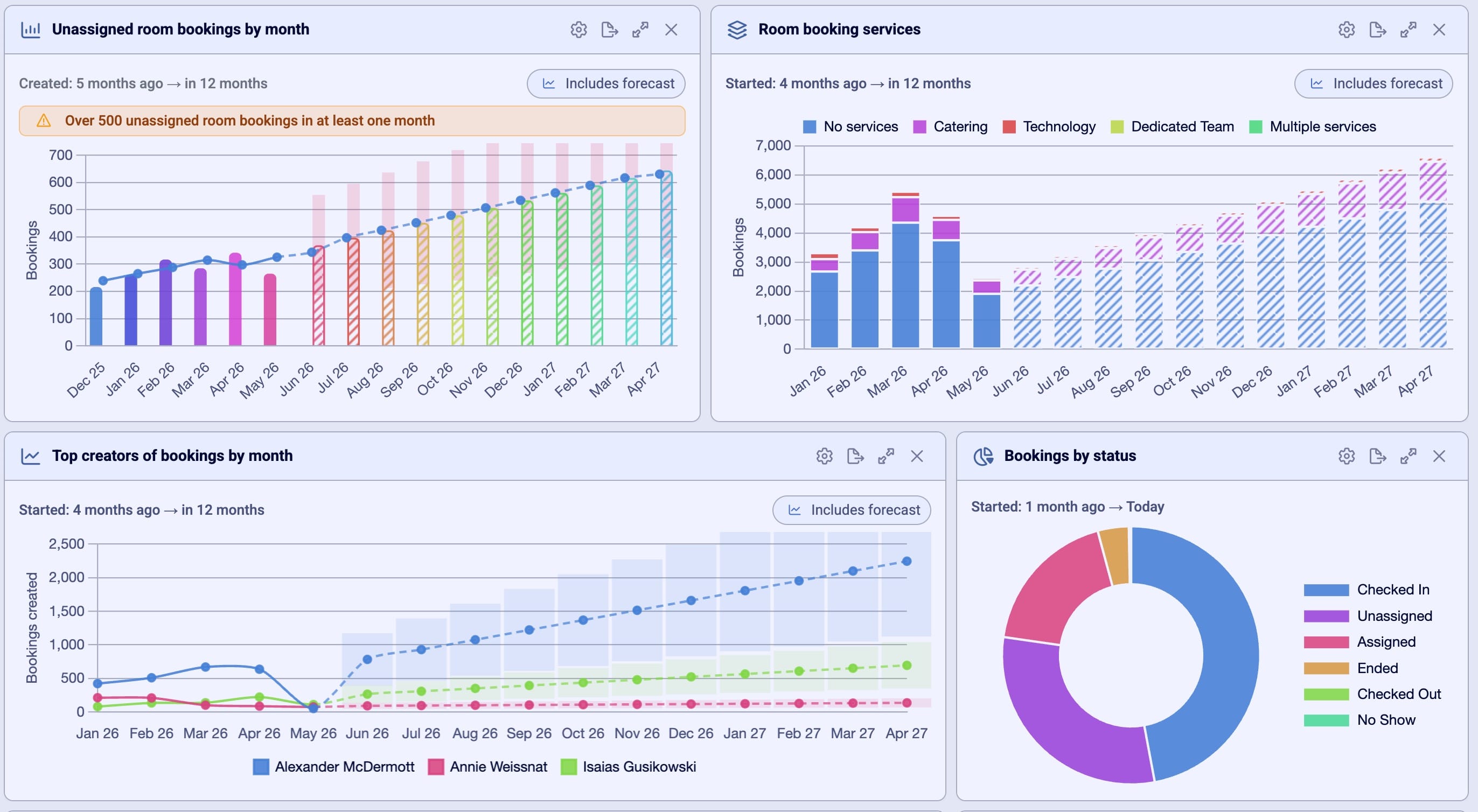
Smart Analytics combines booking, occupancy and IoT data to forecast demand and support evidence-based space planning.
The Difference Is Flexibility
Traditional platforms often concentrate on individual booking functions. New Wave focuses on bringing the entire workplace experience together, allowing organisations to configure their operations around their people, spaces and policies.
For banking, financial services, legal firms and large enterprises, this means combining centralised operational control with employee self-service, without sacrificing adaptability.
The Future of RTO Is Not Another Booking Application
It is a smarter, connected and more adaptable workplace.
- Flexibility is essential.
- Ease of use drives adoption.
- Predictive analytics enables better decisions.
Facility Managers, workplace consultants and architects should be asking a bigger question: Is the technology we are specifying ready for the workplace of tomorrow?
Find Out What Is Possible With New Wave Workspace
One App. All-in-One. A Super App for the Workplace.
One platform. Every resource. A smarter workplace.
Explore New Wave Workspace — discover the platform, its capabilities and request a demonstration.